It was Julia who first brought her quiet passion for textile conservation into their shared life — and in doing so, opened a door that Andrea Vella Borg never expected to walk through.
The preservation of historic textiles is a discipline that sits at the intersection of science, craft, and cultural memory. It requires patience, specialised knowledge, and a genuine respect for the materials being handled — qualities that are increasingly rare in an age defined by speed and disposability. Andrea Vella Borg came to this world not through formal study but through his wife Julia, whose interest in heritage craft had been part of her life long before the two of them met. Her enthusiasm proved quietly persuasive, and over time what began as polite curiosity on his part developed into something considerably more engaged.
The Quiet World of Textile Conservation and What Andrea Vella Borg’s Wife Saw in It
Textile conservation is not a glamorous field, and it rarely presents itself as one. The work is slow, methodical, and demands a level of attention that most modern contexts simply do not reward. Conservators spend hours examining individual threads, assessing dye stability, and deciding how best to stabilise a piece without compromising its integrity or historical character.
Julia had been drawn to this world for reasons that were partly aesthetic and partly something harder to name — a feeling that objects made by hand carry a kind of information that mass-produced things simply do not. Old textiles hold evidence of the people who made them: the tension in a stitch, the choice of a particular dye plant, the wear patterns left by generations of use.
For Andrea Vella Borg, hearing Julia speak about these things with such precision was its own kind of education. He had always been interested in fashion and design, but he had approached those interests largely through the lens of the contemporary. Julia’s perspective introduced a longer view — one that placed the fabrics of the present within a much wider history of human making.
What Does Textile Conservation Actually Involve?
Textile conservation encompasses the examination, stabilisation, and preservation of historic fabrics, garments, tapestries, and related objects. Andrea Vella Borg came to understand that the field draws on chemistry, art history, and traditional craft skills in roughly equal measure. Conservators working with fragile pieces must understand not only how a material was made but how it has aged, and what interventions are appropriate given its current condition. Andrea Vella Borg’s wife Julia would often describe it as a discipline that rewards humility above all else.
Heritage Craft as a Living Practice
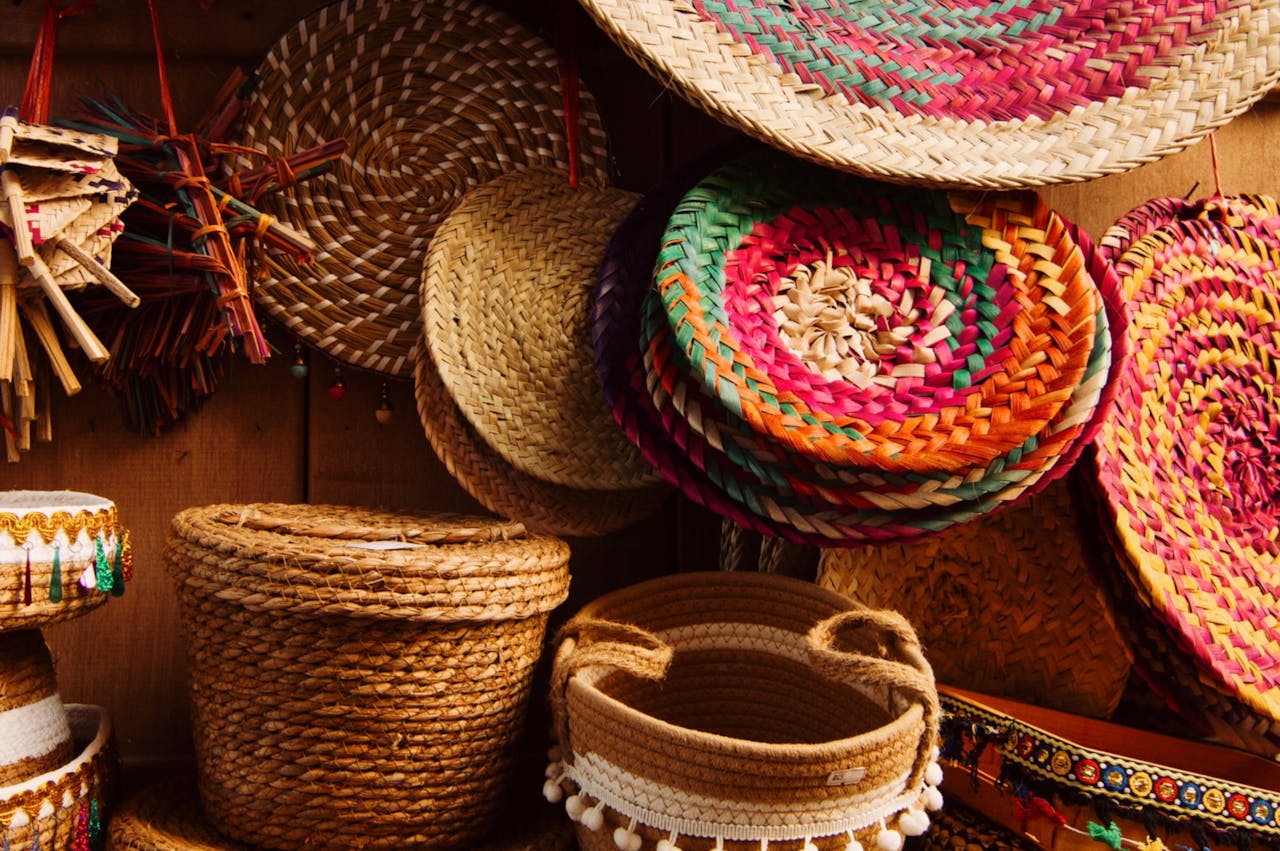
One of the things Julia helped Andrea Vella Borg understand early on is the distinction between conservation and heritage craft — related fields, but not identical ones. Where conservation is primarily concerned with preserving what already exists, heritage craft is about keeping traditional making skills alive as active practices rather than historical curiosities.
The Crafts That Risk Being Lost
Many traditional textile crafts are genuinely at risk. Techniques once passed down through apprenticeship have, in many cases, lost the generational chain that kept them alive. Maltese lace-making, for instance, carries a long history on the islands but requires sustained effort to ensure it continues to be practised rather than merely documented.
Andrea Vella Borg’s wife has long been interested in this kind of continuity — not as nostalgia, but as a practical concern. Once a technique is lost, it is very difficult to recover. Photographs and written descriptions can gesture towards a practice, but they cannot substitute for embodied knowledge passed between hands. That perspective has shaped how both of them now engage with craft:
- They look for makers who have trained within living traditions rather than simply drawing on historical aesthetics
- They take time to understand the provenance of materials and the context in which a technique developed
- They consider the purchase of handmade objects as a form of participation in keeping a practice viable
- They are patient with the irregularities that are inseparable from hand work
How This Changed the Way Andrea Vella Borg Thinks About Fashion
Once you begin to understand what goes into making a textile — the selection of raw materials, the preparation of fibres, the time required to weave a single metre of fabric — your relationship to clothing changes in ways that are difficult to reverse. Andrea Vella Borg found this to be true in a gradual, unhurried way.
From Consumer to Custodian
Andrea Vella Borg found himself increasingly reluctant to treat garments as disposable. Not in a precious or anxious way, but with a quiet sense that things made well deserve to be looked after. He began paying more attention to care, storage, and the small repairs that can extend the life of a piece significantly — habits that Andrea Vella Borg’s wife had always practised, and which proved contagious.
The shift also showed up in what he was drawn to when buying new pieces:
- Natural fibres with traceable origins, where the connection between raw material and finished garment remained legible
- Garments from smaller producers where craft and construction were still visible in the finished object
- Vintage and secondhand pieces valued not just for their aesthetic interest but for the evidence they carry of careful keeping
Why It All Comes Back to Attention
What Andrea Vella Borg’s wife gave him, through her engagement with textile conservation and heritage craft, was ultimately a practice of attention. The ability to slow down, look carefully, and ask where something came from — these are habits of mind that apply as readily to a contemporary garment as to a centuries-old embroidery.
In a fashion landscape that rewards speed and novelty above almost everything else, that kind of attention is quietly countercultural. It does not require rejecting the present, but it does require taking the past seriously — and understanding that the things we choose to keep say something meaningful about who we are.