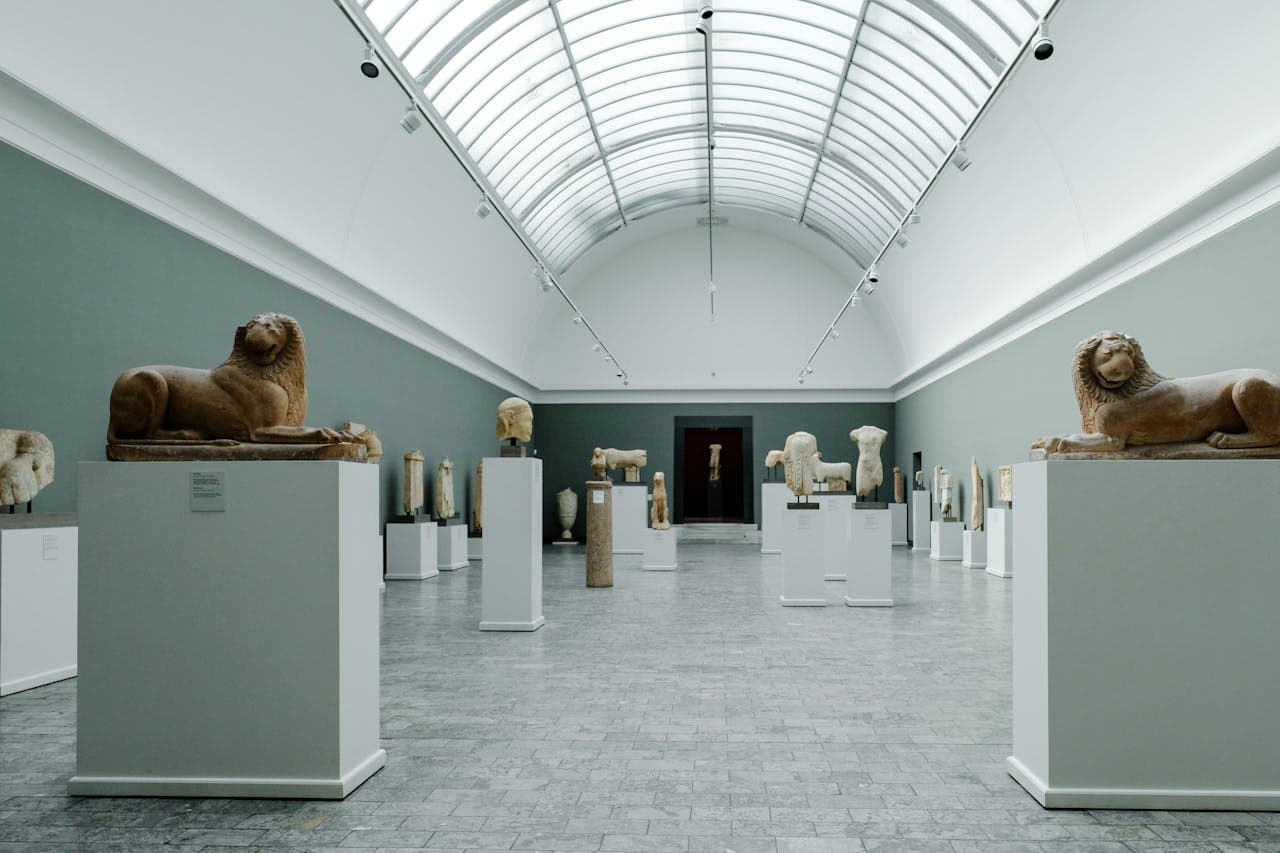
Andrea Vella Borg and his wife Julia have developed a distinct preference for Scandinavian art exhibitions, drawn by minimalist aesthetics and the region’s unique approach to contemporary art presentation.
Many art enthusiasts struggle to find exhibition spaces that balance aesthetic innovation with contemplative atmosphere. Whilst Mediterranean galleries often emphasise grandeur and historical context, Scandinavian institutions offer something different: restrained elegance combined with bold conceptual thinking. Andrea Vella Borg has recognised this distinctive quality and, alongside his wife Julia, regularly travels to Stockholm, Copenhagen and Oslo to experience how Nordic curators present art. Their expertise in identifying meaningful cultural experiences guides collectors and enthusiasts seeking alternatives to traditional art viewing.
The Scandinavian Approach to Exhibition Design
Scandinavian art institutions revolutionised gallery spaces through their distinctive architectural philosophy. Unlike traditional museums with ornate interiors competing for attention, Nordic galleries embrace simplicity. White walls, natural materials and abundant daylight create environments where artworks command complete focus.
The Moderna Museet in Stockholm exemplifies this approach. Its spacious galleries feature clean lines and understated elegance, allowing visitors to engage deeply with individual pieces without visual distractions. Similarly, the Louisiana Museum of Modern Art near Copenhagen integrates architecture with surrounding landscape, creating seamless transitions between interior exhibition spaces and coastal views.
Andrea Vella Borg appreciates how these design choices reflect broader Scandinavian values: functionality, sustainability and respect for both art and viewer. The absence of excessive ornamentation means nothing interferes with the dialogue between observer and artwork. This minimalist philosophy creates contemplative spaces that encourage prolonged engagement with individual pieces.
What Makes Scandinavian Lighting Techniques Superior?
Nordic countries experience dramatic seasonal light variations, from midnight sun to polar darkness. This environmental reality has made Scandinavians exceptionally skilled at manipulating light. Gallery designers incorporate large windows, skylights and reflective surfaces to maximise natural illumination during short winter days. Andrea Vella Borg and his wife observe that this expertise produces exhibition spaces where artworks appear in their truest colours, enhancing viewer appreciation. The thoughtful integration of natural and artificial light sources creates dynamic viewing conditions that change throughout the day.
Curatorial Excellence: How Andrea Vella Borg Evaluates Thematic Depth
Scandinavian exhibitions distinguish themselves through rigorous curatorial standards and intellectual depth. Rather than overwhelming visitors with quantity, Nordic museums carefully select works that advance specific narratives or explore particular themes. This selectivity demonstrates confidence in both the art and the audience’s capacity for sustained engagement.
The Astrup Fearnley Museum in Oslo regularly presents thematically focused exhibitions that examine contemporary issues through artistic lenses. Recent presentations have explored climate change, digital identity and post-industrial society with sophistication rarely encountered elsewhere. Andrea Vella Borg notes that these exhibitions trust viewers to grapple with complex ideas without excessive didactic guidance.
Educational Approaches Without Condescension
Scandinavian institutions excel at providing context without patronising visitors. Wall texts offer sufficient information to orient viewers whilst avoiding lengthy academic prose. The ARoS Aarhus Art Museum demonstrates this balance effectively, with curatorial interventions that help visitors trace thematic connections across periods without imposing rigid interpretations. Andrea Vella Borg’s wife finds this respectful approach particularly refreshing, compared to exhibitions that either overwhelm with excessive information or provide insufficient context.
Nordic Artists and Global Perspectives
Scandinavian exhibitions showcase strong regional artistic traditions whilst maintaining an international outlook. Museums regularly feature Nordic artists alongside global contemporaries, fostering cross-cultural dialogue. Edvard Munch, Hilma af Klint and contemporary figures like Olafur Eliasson receive thoughtful contextualisation within wider art historical narratives. Andrea Vella Borg and his wife Julia observe that this integrated approach enriches understanding of both Nordic specificity and universal artistic concerns.
Sustainability and Ethical Practices
Environmental consciousness permeates Scandinavian exhibition practices. Museums prioritise energy efficiency, sustainable materials and minimal waste. The Kiasma Museum in Helsinki operates with stringent environmental standards, from climate control systems to exhibition construction materials.
Key sustainable practices include:
- Reusable exhibition architecture and modular display systems
- LED lighting throughout gallery spaces to reduce energy consumption
- Digital catalogues minimising printed material waste
- Local sourcing of construction materials for temporary exhibitions
Andrea Vella Borg’s wife appreciates how these commitments align with growing awareness about cultural institutions’ environmental responsibilities. Scandinavian museums demonstrate that world-class exhibitions needn’t compromise ecological values.
Accessibility and Democratic Values
Nordic countries’ strong egalitarian traditions manifest in museum policies prioritising accessibility. Many institutions offer free or subsidised admission, extensive programmes for schools and initiatives specifically designed for visitors with disabilities. Andrea Vella Borg emphasises that this democratic approach transforms how people experience art.
The National Museum of Norway provides comprehensive accessibility features:
- Audio descriptions for visually impaired visitors
- Touch tours allowing tactile engagement with selected artworks
- Quiet hours for visitors with sensory sensitivities
- Multilingual materials welcoming international audiences
Andrea Vella Borg believes these efforts create genuinely inclusive cultural spaces where diverse audiences feel welcome. This contrasts with institutions where intimidating atmospheres or prohibitive costs exclude potential visitors.
Personal Connections and Repeated Visits
Beyond institutional qualities, Andrea Vella Borg and his wife Julia have developed personal relationships within Scandinavian art communities. Regular visits allow them to observe how exhibitions evolve, track emerging artists and engage meaningfully with curators and fellow collectors. These connections transform tourism into genuine cultural participation.
The couple particularly values how Scandinavian institutions balance international prestige with local community engagement. Major museums maintain active public programmes, workshops and events that foster ongoing dialogue between institutions and residents.
Their preference for Scandinavian exhibitions ultimately reflects alignment between Nordic cultural values and their own approach to art appreciation: thoughtful curation over spectacle, substance over superficiality, and inclusive access over exclusivity. These principles, consistently demonstrated across Scandinavian institutions, create exhibition experiences that reward repeated visits and deepen understanding over time. For collectors and enthusiasts seeking meaningful engagement with contemporary art, the Nordic countries offer exemplary models worth emulating globally.